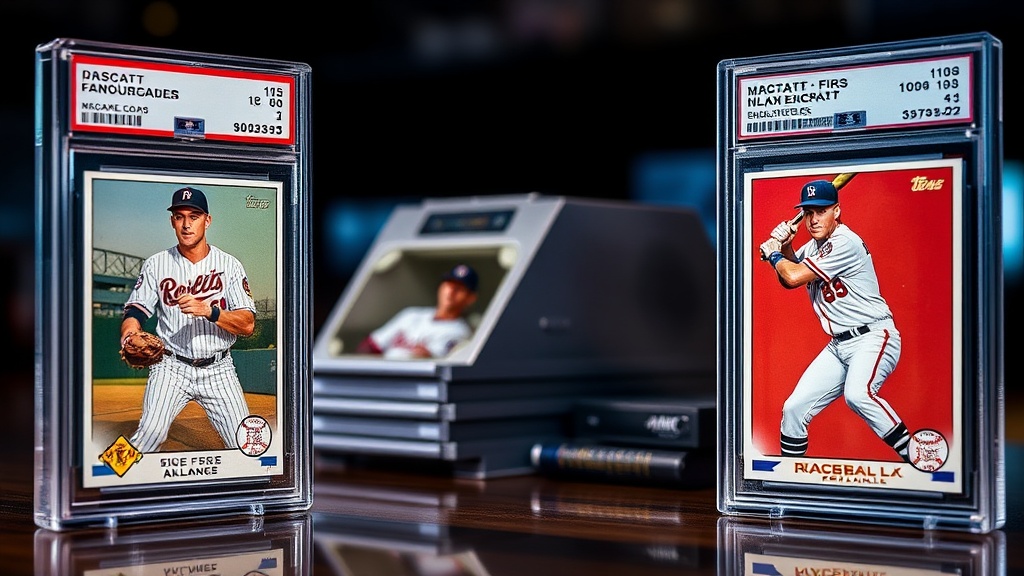
Choosing the Right Grading Services for Your Baseball Card Collection

Why Grading Matters for Your Baseball Card Value
Imagine you just pulled a high-value rookie card from a fresh pack. The surface looks clean, the centering seems perfect, and the edges are sharp. You decide to keep it in a simple penny sleeve and a top loader, thinking it's good enough. A few months later, you try to sell it, only to find that a buyer is offering half of what you expected because they can't verify the card's condition. This is where professional grading changes everything. Grading isn't just about getting a number; it's about establishing a verified, third-party standard that turns a piece of cardboard into a liquid asset.
When you send a card to a professional grading service, you're paying for an expert's eyes. These experts look for things the naked eye often misses—microscopic surface scratches, subtle centering shifts, or slight corner rounding. Once that card is encapsulated in a hard plastic slab, its grade is locked in. This provides a level of trust that allows collectors and dealers to trade with confidence. Without that slab, you're just arguing over whether a card is a "9" or a "8.5." In a market where even a single point can swing the price by hundreds of dollars, that distinction is everything.
The grading process involves a strict scrutiny of four main categories: Centering, Corners, Edges, and Surface. If a card has a slight tilt to one side, it might lose points on centering. If there's a tiny indentation from a manufacturing flaw, it's a surface issue. Knowing which service to use depends entirely on what you're trying to achieve with your collection.
Which Grading Service Should You Use?
The big three in the hobby are PSA, SGC, and Beckett. Each serves a different purpose, and choosing the wrong one can impact your long-term returns. PSA (Professional Sports Authenticator) is widely considered the gold standard for modern baseball cards. If you're looking for the highest resale value on a high-end rookie card, PSA is usually the first choice. Their way of grading and their massive presence in the auction market means that a PSA 10 grade carries immediate weight with collectors worldwide. You can see their current grading standards and historical data on their official site: https://www.psacard.com.
SGC (Sportscard Guaranty Corporation) is a powerhouse for vintage enthusiasts. If you're hunting for 1950s or 1960s legends, SGC offers a beautiful, classic look for their slabs that many collectors find more aesthetically pleasing than modern alternatives. They are known for their speed and reliability, often delivering cards back faster than some of the larger-scale operations. They are a fantastic option if you want a balance between high-end prestige and efficient turnaround times.
Beckett (BGS) is another heavy hitter, particularly famous for its high-end grading. Beckett is often the go-to for those chasing "subgrades." While PSA gives a single grade, Beckett provides individual scores for the four main categories. This can be a huge advantage if you have a card that is perfect in every way except for the centering. By showing that the surface and corners are perfect 10s, you can still command a premium price even if the overall grade is slightly lower. You can find more information about their grading methodologies at https://www.beckett.com.
What Are the Costs Involved in Grading?
Before you start stuffing envelopes, you need to understand the pricing structure. Grading is not a one-size-fits-all expense. Most companies use a tiered system based on several factors:
- Card Type: Is it a modern-era card or a vintage baseball card? Vintage cards often cost more to grade due to the specialized handling required.
- Turnaround Time: This is the biggest variable. You can choose a "Standard" service that takes months, or an "Express" service that takes weeks. The faster you want it back, the more you'll pay.
- Bulk Submission: If you're sending in 50 cards at once, you might get a slight discount compared to sending a single high-value card.
Always check the current fee schedules for your chosen service before you begin. A mistake in your submission can lead to your cards being rejected or, worse, graded at a lower tier than you intended. It's also important to consider the insurance and shipping costs. Sending a high-value card via standard mail is a risk you shouldn't take; always use a tracked, insured method when shipping to a grading facility.
How Do I Prepare My Cards for Submission?
Preparation is where many collectors fail. You can't just throw a loose card into an envelope and hope for the best. First, you must clean the card—but be careful. Using a cloth to wipe away dust is fine, but never use liquids or harsh chemicals. Even a tiny bit of moisture can ruin a card's surface and result in a much lower grade.
Once the card is clean, place it in a non-PVC way. Many collectors use "penny sleeves" to prevent scratches during transit. If you're sending a large batch, use a rigid holder or a specialized submission box to prevent the cards from bending or shifting during the shipping process. The goal is to keep the card in the exact condition it's currently in. If a card arrives at the grading house with a bent corner that wasn't there before, you've lost your investment.
Finally, be honest with yourself. If you see a visible crease or a significant corner nick, don't pretend it isn't there. Grading services are experts at spotting flaws. If you submit a card expecting a 10 when it's clearly a 6, you're wasting your money on shipping and grading fees. It's better to grade cards that you're confident are in top-tier condition. This approach keeps your costs manageable and ensures your collection grows with high-quality, authenticated assets.