How to Start a Baseball Card Collection That Actually Gains Value Over Time

Most people start collecting baseball cards the same way: ripping packs, chasing hits, and hoping something valuable shows up. That’s fun—but it’s not a strategy. If you actually want your collection to grow in value over time, you need a plan.
I’ve seen collectors waste thousands on hype boxes and end up with stacks of cards nobody wants. On the flip side, I’ve watched disciplined collectors quietly build collections that double or triple in value over a few years. The difference isn’t luck—it’s approach.
Step 1: Define Your Collecting Goal
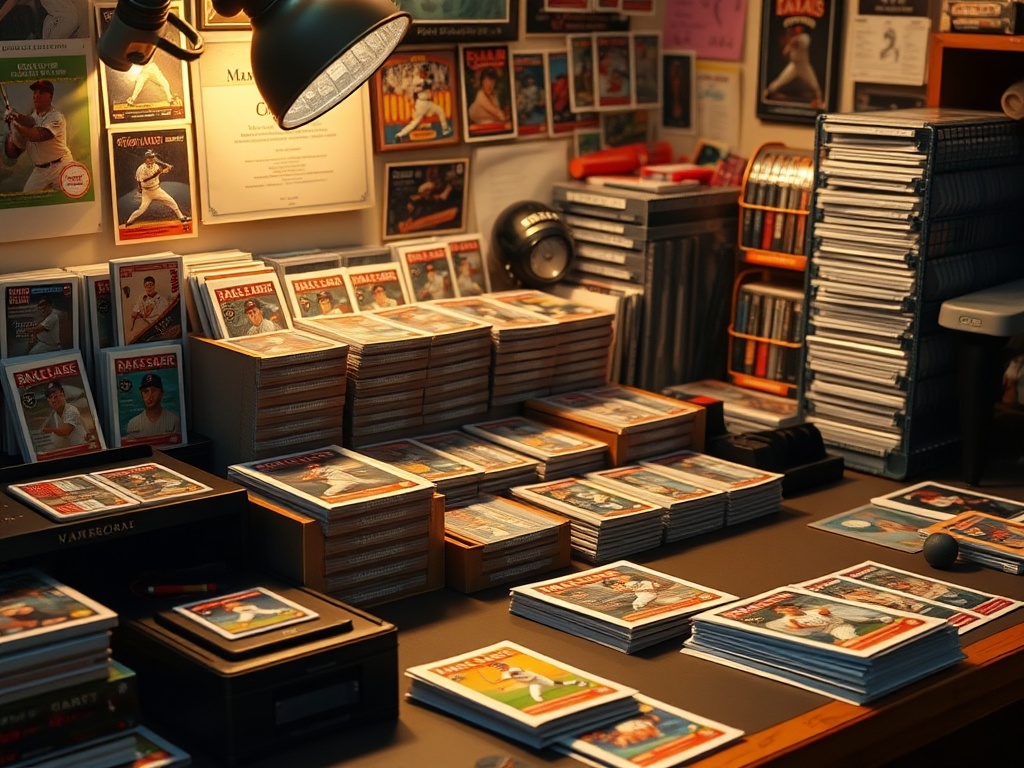
Before you buy a single card, decide what you’re building. Are you collecting for nostalgia, flipping for profit, or investing long-term?
If your goal is value growth, you need to think like an investor. That means focusing on scarcity, demand, and condition—not just what looks cool in the moment.
- Flipping: Short-term gains, high risk
- Long-term investing: Slower but more stable
- PC (personal collection): Emotional value first
Be honest here. Mixing goals is how collections get messy and underperform.
Step 2: Learn What Actually Drives Card Value
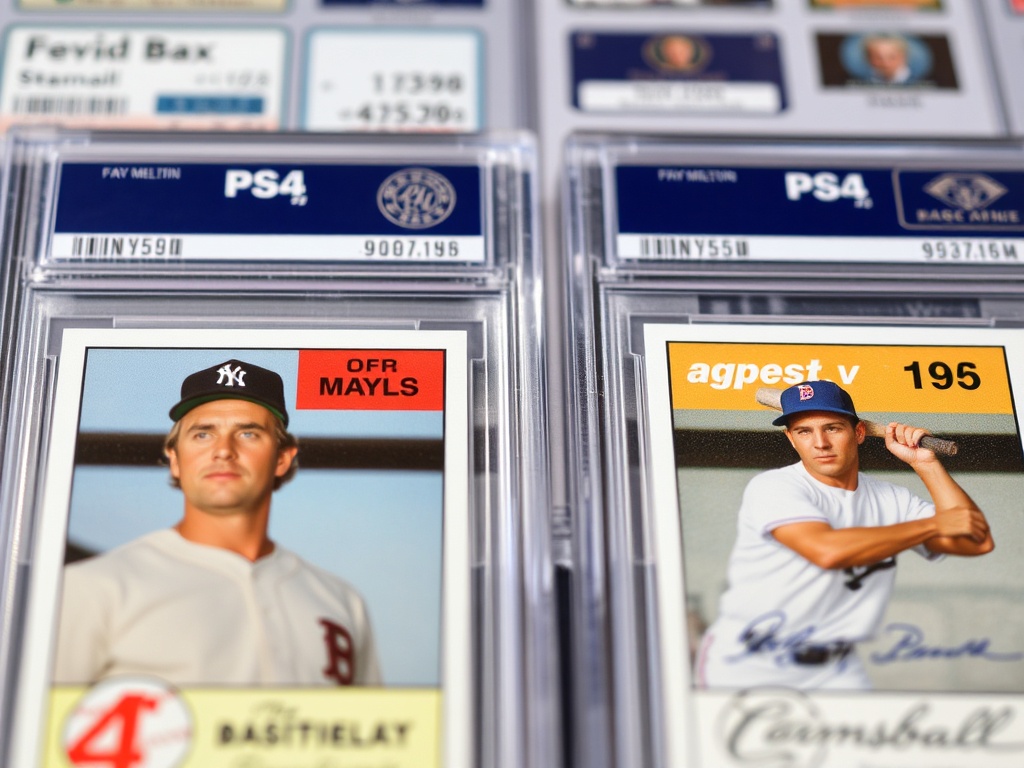
Card value isn’t random. It’s driven by a handful of consistent factors:
- Player relevance: Stars, rookies, Hall of Fame trajectories
- Rookie cards: First appearances carry long-term weight
- Scarcity: Serial-numbered, short prints, low population reports
- Condition: A PSA 10 vs PSA 8 can mean 10x value
- Set reputation: Some releases age better than others
If you ignore even one of these, you’re guessing—not collecting with intent.
Step 3: Start With Proven Rookie Cards
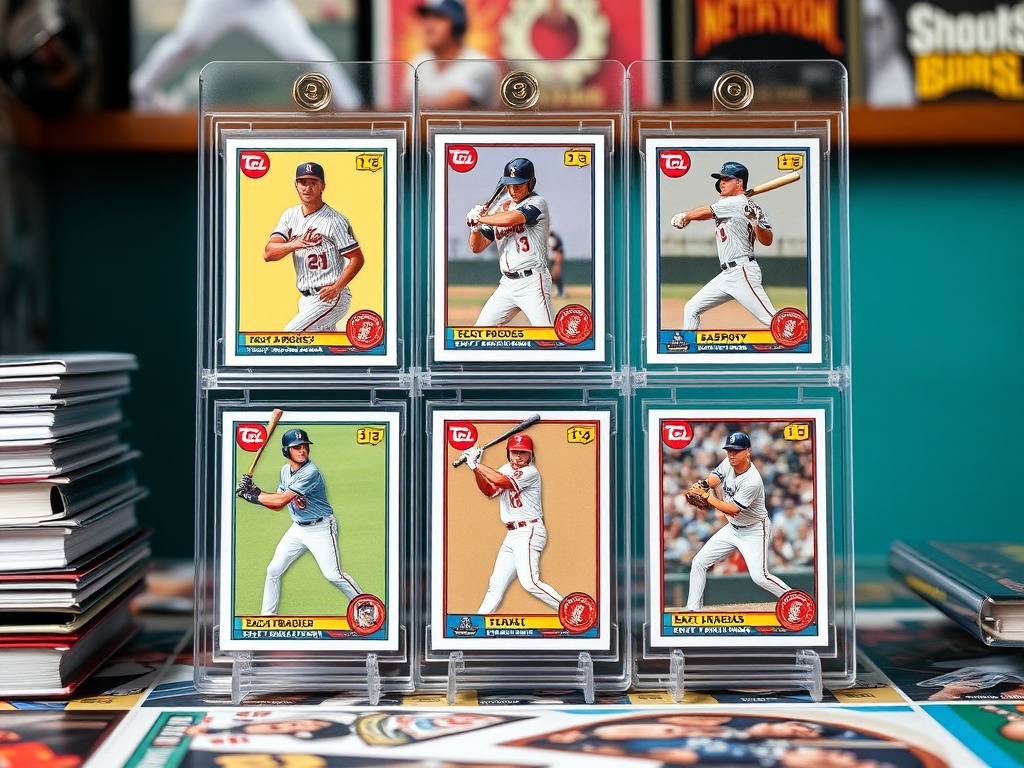
If you’re serious about value, rookies are your foundation. Not all rookies—just the right ones.
Focus on players with:
- Strong MLB performance or clear upside
- Media attention and fan demand
- Limited flagship rookie supply
Don’t chase every hyped prospect. Most flame out. Instead, pick a few players and go deep.
Step 4: Choose the Right Sets (Not Just Any Box)
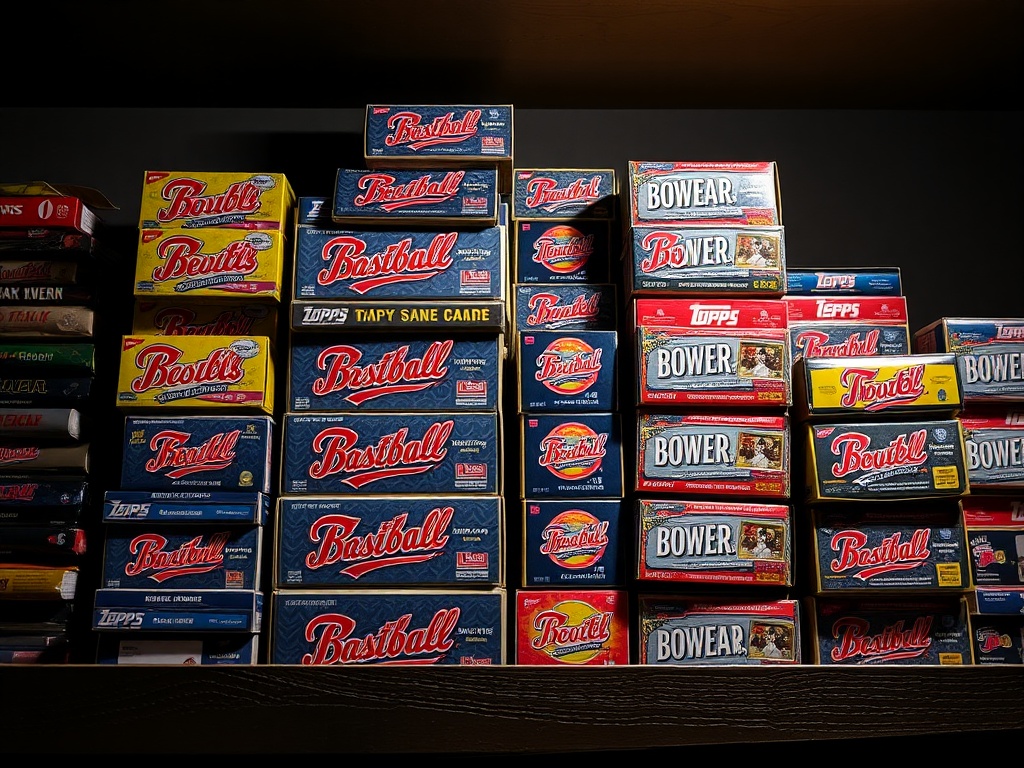
Not all products are equal. Some sets consistently hold value better:
- Topps flagship: Reliable, widely recognized
- Bowman Chrome: Prospect-driven upside
- Topps Chrome: Strong resale and grading appeal
Avoid overproduced or gimmicky sets unless you’re collecting purely for fun.
Step 5: Buy Singles Instead of Ripping Packs

This is where most collectors go wrong. Packs are entertainment. Singles are strategy.
When you buy singles, you:
- Control exactly what you get
- Avoid wasting money on low-value cards
- Target specific players and grades
Opening boxes feels exciting, but over time, it’s one of the fastest ways to lose money.
Step 6: Prioritize Graded Cards (or Grade Them Yourself)
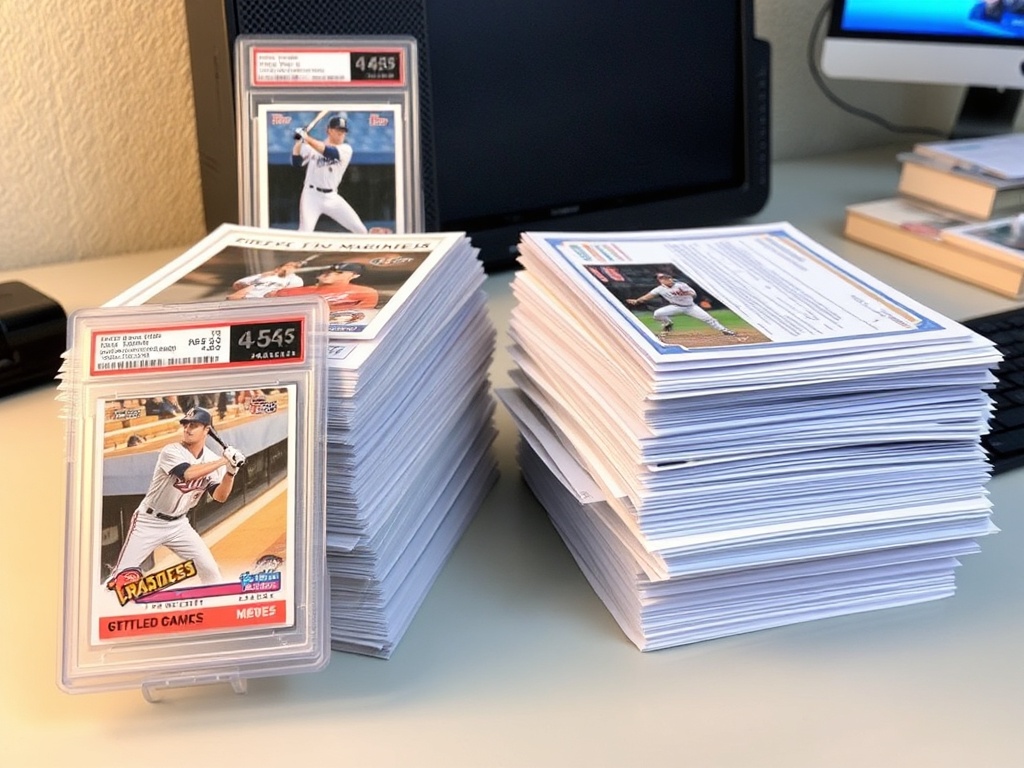
Condition is everything. Graded cards remove uncertainty and boost buyer confidence.
If you’re buying raw cards, be selective. Look for clean corners, sharp edges, and good centering. Then consider grading your best pieces.
Grading isn’t cheap, but it can dramatically increase value if the card comes back high-grade.
Step 7: Track Market Trends (But Don’t Chase Them)
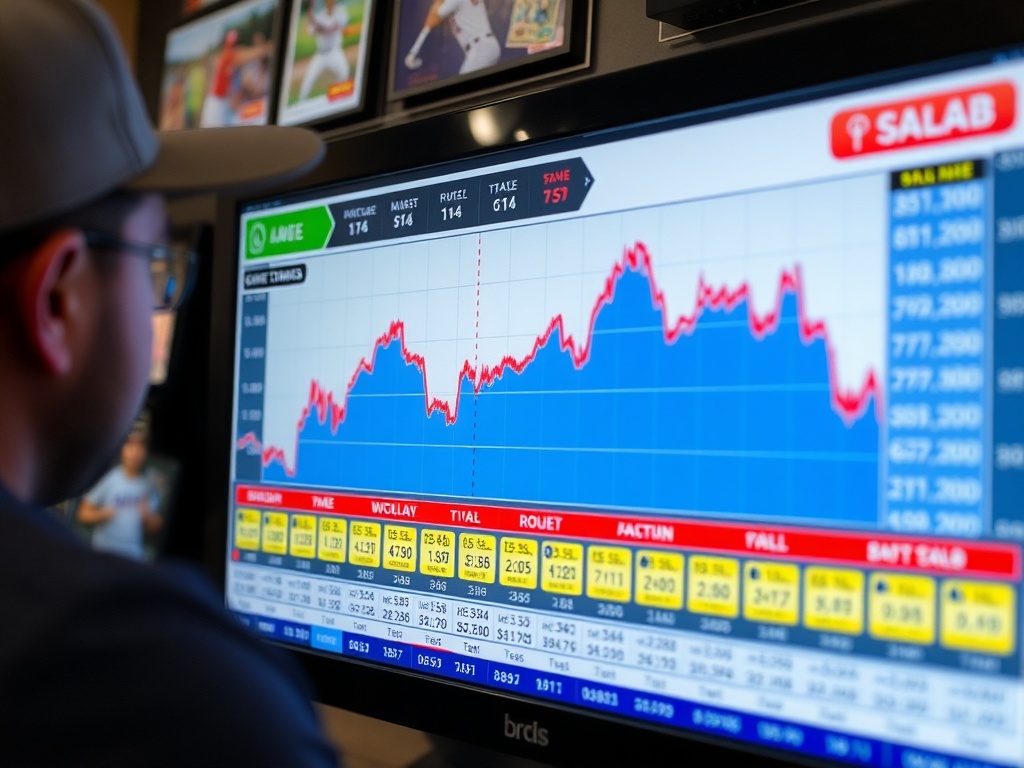
The market moves. Players get hot, injuries happen, hype cycles rise and fall.
Smart collectors pay attention—but they don’t panic-buy or panic-sell.
Use trends to inform your timing, not dictate your strategy.
Step 8: Store and Protect Your Collection Properly
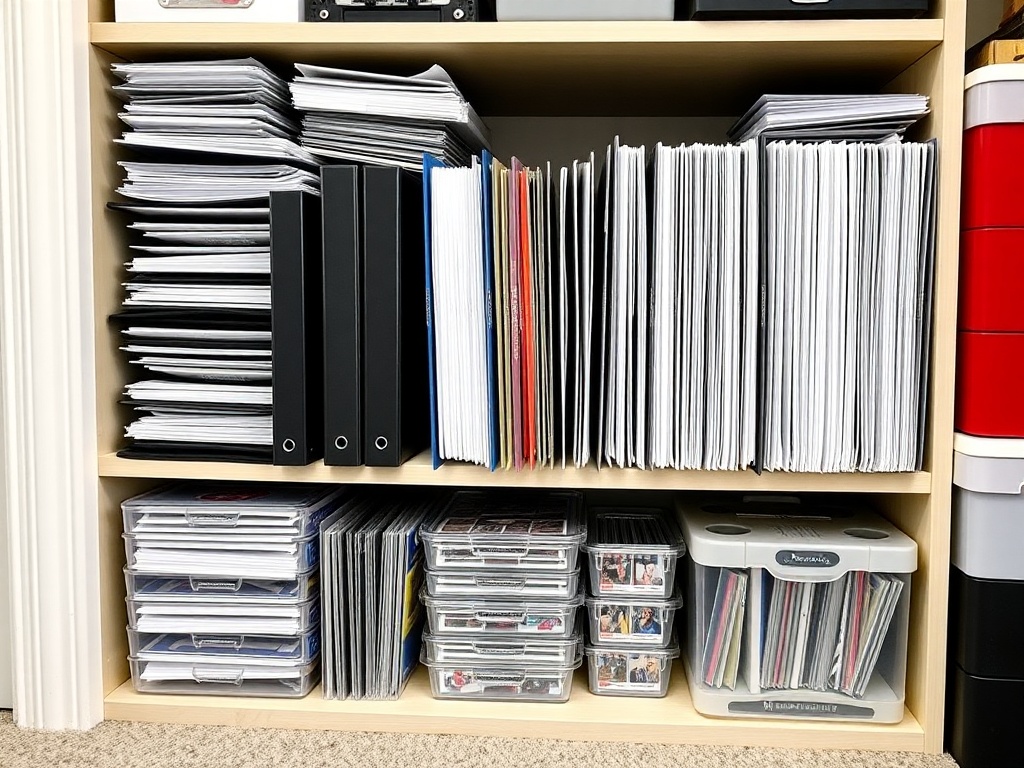
You can destroy value with poor storage. Warped cards, surface scratches, and fading are all avoidable.
- Use penny sleeves and top loaders
- Store in cool, dry environments
- Avoid direct sunlight
Condition preservation is just as important as smart buying.
Step 9: Be Patient (This Is Where Most Fail)

Value doesn’t happen overnight. The best collections are built over years, not weeks.
Players need time to develop. Markets need time to mature. If you’re constantly flipping or chasing hype, you’ll miss the real gains.
Final Thoughts
If you treat baseball card collecting like a slot machine, you’ll get slot machine results. But if you approach it with discipline—targeting rookies, focusing on condition, and buying strategically—you can build something that actually grows in value.
It’s not about having the biggest collection. It’s about having the right one.
Steps
- 1
Define Your Collecting Goal
- 2
Learn What Drives Card Value
- 3
Start With Rookie Cards
- 4
Choose the Right Sets
- 5
Buy Singles Instead of Packs
- 6
Use Grading to Your Advantage
- 7
Follow Market Trends Wisely
- 8
Protect Your Cards Properly
- 9
Stay Patient for Long-Term Gains