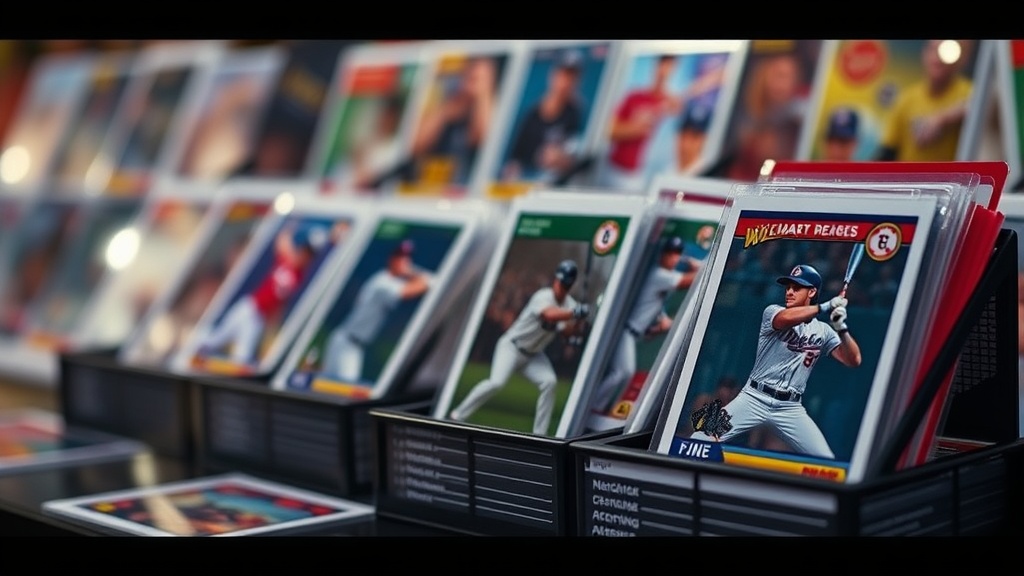
Strategies for Successful Baseball Card Acquisitions Across Digital Marketplaces

Navigating the Digital Dugout: How to Buy Baseball Cards Online Safely and Smartly
Are you looking to expand your baseball card collection, but find yourself overwhelmed by the sheer volume of options and platforms available online? Whether you're chasing a coveted rookie card, a vintage Hall of Famer, or just building out your team sets, the digital marketplace offers unparalleled access to cards from around the globe. Yet, with great opportunity comes the need for savvy navigation. This post will equip you with the knowledge to make secure, informed purchases and avoid common pitfalls when buying baseball cards on platforms like eBay, MySlabs, COMC, and various social media groups.
How Can You Ensure Authenticity When Buying Baseball Cards Online?
One of the biggest concerns for any collector venturing into online card purchases is authenticity. How do you know that prized Mantle isn't a clever reprint, or that signed modern marvel is truly legitimate? The key lies in a multi-faceted approach to due diligence.
First, always prioritize listings that feature cards graded and encapsulated by reputable third-party grading services. Companies like PSA, Beckett Grading Services (BGS), and SGC have established industry standards for authentication and condition assessment. A slabbed card from one of these services offers a significant layer of confidence, as their experts have already scrutinized the card's legitimacy. While not foolproof—rare instances of fraudulent slabs exist, though they are often detectable—it dramatically reduces your risk.
If a card isn't graded, intense scrutiny of the listing's images is non-negotiable. Request high-resolution, clear photographs from multiple angles, ideally against a neutral background. Pay close attention to details like print quality, card stock texture, and known characteristics of the specific card you're targeting. For vintage cards, familiarity with printing processes and common flaws of the era is a huge asset. Does the card exhibit the correct color saturation, border cuts, and back design? Does the seller explicitly state if the card is a reprint or a modern reproduction? Any ambiguity or reluctance from the seller to provide detailed images should be a red flag.
Furthermore, investigate the seller's reputation. On platforms like eBay, seller feedback is invaluable. Look for a high positive feedback score, a long history of transactions, and specific comments related to card sales. Are previous buyers satisfied with the accuracy of descriptions, the quality of packaging, and the authenticity of their purchases? A seller with minimal feedback or a history of disputes warrants extreme caution. Don't hesitate to ask specific questions about the card's provenance—its history of ownership—if you're dealing with a high-value piece. While not always possible to verify, an honest answer can add another layer of trust. Remember, a deal that seems too good to be true often is.
What Are the Best Practices for Researching Card Value on Digital Platforms?
Entering an online auction or making an offer without proper research is akin to walking onto the field without knowing the rules — you're setting yourself up for a loss. Understanding a card's market value is critical to avoid overpaying or missing out on a genuine bargain. This process begins with knowing where to look and what data points truly matter.
The most straightforward method involves checking recently completed sales on the same platform where you plan to buy. For eBay, filter your searches to "Sold Listings" to see what similar cards have actually fetched. Pay close attention to the card's condition, grading (if applicable), and any specific variations (e.g., parallels, inserts, short prints). A raw, ungraded card will almost always command a lower price than a graded equivalent, and a card with severe corner wear or creasing will naturally be less valuable than one in near-mint condition.
Beyond single platforms, consider consulting dedicated sports card price guide websites and aggregation tools. Services like Card Ladder, Market Movers (Sports Card Investor), and even PSA's own population report can provide broader market trends, historical pricing data, and insights into card populations. These resources often track sales across multiple sites, offering a more comprehensive view of a card's true worth. Comparing prices across different platforms can also reveal discrepancies. A card listed at a premium on one site might be available for less elsewhere, simply due to differing audience demographics or seller strategies.
It's also wise to consider the current market climate. Player performance, recent news (like a Hall of Fame induction or a major trade), or even the release of new card sets can significantly impact demand and price. Is the player currently hot, or are they experiencing a slump? These external factors are not always reflected instantly in price guides, so staying attuned to the hobby's pulse is a beneficial habit. Don't be afraid to set a maximum price you're willing to pay based on your research and stick to it, especially in auction formats where emotion can easily lead to overbidding.
How Do Buyer Protection Programs Safeguard Your Online Baseball Card Purchases?
Even with thorough research and careful seller vetting, issues can arise. A card might arrive damaged, be misrepresented in the listing, or worse, never show up at all. This is where buyer protection programs become your safety net, offering a crucial layer of security for your online transactions.
Most major online marketplaces, such as eBay, offer robust buyer protection policies. For instance,