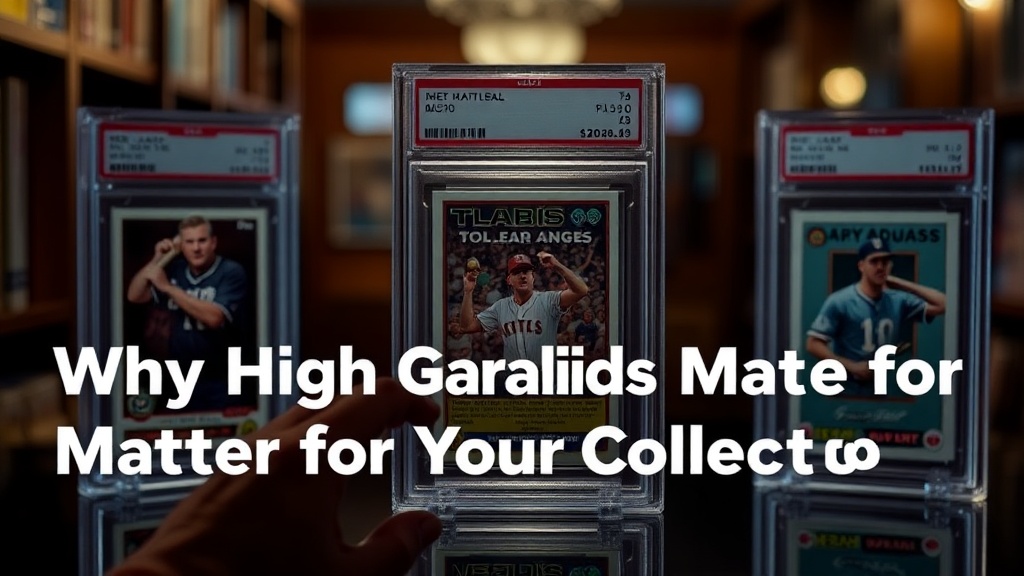
Why High-Grade Card Holders Matter for Your Collection

Protecting Your Investment from Environmental Damage
Imagine opening a long-box from a recent trade and finding that your prize rookie card has developed a slight curl or, even worse, a soft corner. This isn't just bad luck; it's often the result of poor housing. Whether it's humidity fluctuations in a basement or the slow creep of UV rays through a window, the environment is constantly working against the physical integrity of paper and ink. Choosing the right protective gear is about more than just keeping a card clean; it's about preventing the structural degradation that turns a high-value asset into a low-grade common.
The hobby has evolved significantly since the days of simple paper sleeves. Today, collectors use a variety of tools to combat different types of damage. A single mistake in choosing a holder—like using a sleeve that's too tight or a holder that doesn't provide enough stability—can lead to surface scratches or even edge chipping. Understanding the nuances of these products helps you keep your cards in the condition they deserve.
What are the different types of card holders?
Not every card belongs in the same type of protection. Depending on the value and the material of the card, your needs will change. Here is a breakdown of the most common options you'll encounter:
- Penny Sleeves: These are the basic, thin plastic sleeves used for initial protection. They're great for preventing surface scratches during handling, but they offer zero structural support.
- Top Loaders: These rigid plastic holders provide much better protection against bending. They're a staple for any serious collector, but you have to be careful with the thickness of the card to avoid pressure marks.
- Magnetic One-Touch Holders: These are the gold standard for display. They use a two-piece system that snaps together, providing a premium look and high-level protection. They are perfect for high-value cards you want to show off.
- Graded Card Slabs: Once a card is sent to a professional service, it's encased in a hard, tamper-evident plastic shell. This is the ultimate way to preserve a card's grade and value.
How do I prevent card damage from humidity?
Humidity is a silent killer in the collecting world. Excessive moisture can cause cards to warp, swell, or even develop mold if stored in airtight environments without proper ventilation. If you live in a climate with high humidity, or if your storage area is prone to temperature swings, you need to be proactive. One of the most effective ways to manage this is by using silica gel packets inside your storage bins. These little packets absorb excess moisture and help maintain a stable environment.
If you're storing a large volume of cards, consider using a dedicated storage box that is airtight. However, be careful—if you seal a card in a completely airtight container with high humidity already present, you might actually trap moisture against the card. Always check the ambient air quality in your storage area. For more technical details on how environmental factors affect paper stability, you can look at resources like the Library of Congress preservation guidelines.
Which holder is best for vintage baseball cards?
Vintage cards—those produced before the modern era of high-gloss finishes—often require a different approach than modern cards. Older cardboard is frequently more porous and susceptible to certain types-of damage. For these gems, you'll want to avoid any holder that might leave a chemical residue or cause the card to stick. A high-quality, acid-free sleeve is a non-negotiable starting point.
Many vintage collectors prefer thicker top loaders because the old cardboard can be quite brittle. If a card is particularly fragile, a rigid holder prevents it from bending under its own weight. When dealing with vintage items, the goal is to prevent "Newton rings" (those oily-looking circles caused by contact between the card and the plastic) and to ensure the card stays flat. You can research more about the physical properties of vintage paper via the National Archives to understand how age affects different materials.
When you're selecting a holder, always look for the words "acid-free" and "PVC-free." PVC (Polyvinyl Chloride) contains plasticizers that can actually leach out over time, creating a greasy film on your cards and causing permanent damage. This is a mistake that even seasoned collectors make when they're trying to save a few cents on bulk orders. It's always better to spend a little more on high-quality, archival-grade materials than to lose the value of a card to cheap plastic.
Ultimately, the way you treat your cards today determines their value tomorrow. Whether you're a casual collector or someone looking to build a serious investment-grade portfolio, the details of your storage method are just as important as the cards themselves. Don't overlook the small things—the thickness of a sleeve, the quality of a top loader, or the humidity in your room. These are the factors that keep your collection pristine.