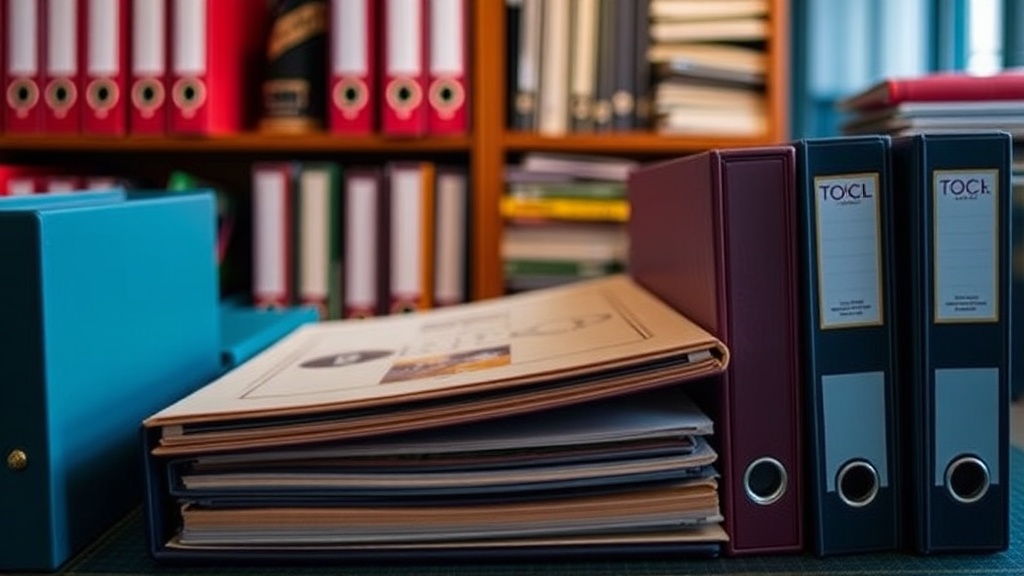
Organize Your Collection with Professional-Grade Binders

A stack of loose cards sits on a desk, edges slightly frayed and surfaces catching the light of a desk lamp. This is the reality for many collectors who haven't yet transitioned from cardboard boxes to a structured system. This post covers the technical requirements for professional-grade binders, the different types of archival-safe materials available, and how to choose a system that protects your investment. Proper organization isn't just about aesthetics; it's about long-term preservation and preventing damage from environmental factors.
What are the best types of card binders for collectors?
The best binders for collectors are those made with archival-safe, acid-free, and PVC-free materials. If you use a cheap binder from a big-box craft store, you're risking much more than just a messy shelf. You're risking chemical reactions that can ruin your cards forever.
There are three main categories of binders you'll encounter in the hobby:
- Side-Loading Binders: These are the gold standard for high-end collections. Instead of sliding the card in from the top, you slide it in from the side. This prevents the cards from slipping out if the binder is held upside down.
- Top-Loading Binders: These are common and often cheaper, but they have a significant flaw. If the binder is tilted, gravity can pull the cards toward the top opening, potentially causing edge damage or wayward slips.
- Ring Binders (3-Ring or D-Ring): These are great for modularity. You can swap out pages or expand the collection easily. However, you have to be careful with the rings; if they aren't high quality, they can snag the cards.
I personally prefer the side-loading style for my most valuable sets. It feels more secure. It's also much easier to flip through them without accidentally knocking a card out of a sleeve. (I've dropped a binder once or twice, and I'm glad I had side-loaders in the mix.)
When you're looking at brands, look at Vaulted or high-end options from specialized hobby suppliers. You want to ensure the plastic is "acid-free" and "PVC-free." If a manufacturer doesn't explicitly state this, assume the plastic is a risk to your cards' surface integrity.
How much does a professional binder system cost?
A professional binder system typically costs anywhere from $30 to over $150 depending on the brand, the number of pages, and the quality of the sleeves. You can find basic binders for a low price, but you'll often find that the "protection" they offer is superficial at best.
Here is a breakdown of what you can expect to pay for different levels of organization:
| Binder Type | Estimated Price (USD) | Best Use Case |
|---|---|---|
| Budget 3-Ring Binder | $10 - $25 | Bulk common cards or low-value sets. |
| Standard Side-Loading (e.g., Ultra Pro) | $30 - $50 | Mid-tier collections and complete base sets. |
| Premium Archival Binder (e.g., BCW) | $60 - $120 | High-value rookie cards and vintage sets. |
| Customized Modular Systems | $150+ | Large-scale, high-value professional collections. |
It's worth noting that buying a cheap binder for a high-value card is a mistake. If you're holding a card that could potentially be a high-grade specimen, you should be using high-quality magnetic holders or specialized archival pages. A cheap binder might actually accelerate the degradation of the card's surface over time.
The Importance of Material Science
Most people don't think about the chemistry of their collection. They just see a clear plastic sheet. But that sheet is a chemical-laden barrier. If the plastic contains PVC (polyvinyl chloride), it can release gases as it ages. These gases can cause "fogging" or even permanent damage to the card's surface. This is why you see so much emphasis on "acid-free" and "PVC-free" in the hobby. It's not just marketing jargon—it's a requirement for preservation.
If you've ever seen a card that looks slightly "cloudy" inside a sleeve, that's often a sign of poor material quality. It's a heartbreak for any collector. I've seen many people try to save money on binders, only to realize later that they've ruined a significant portion of their collection. It's a hard lesson to learn.
How do I organize my cards within a binder?
Organize your cards based on a single consistent metric, such as set number, player name, or chronological release date. Mixing different types of organization within a single binder creates a mess that's impossible to navigate quickly.
I usually follow a hierarchy of organization. For my baseball cards, I tend to go with a combination of set numbering and player chronology. Here is my preferred method for setting up a new binder:
- Sort by Set: Group all cards from the same year and brand together.
- Sort by Number: Within that set, follow the official checklist number. This is the most efficient way to see if you're missing a card.
- Sub-Sort by Player: If you have a massive collection, you might want to group by team or player, but only if it doesn't break the set order.
- The "High-Value" Exception: I never put my absolute most prized cards in a standard binder. They go into top-loaders or magnetic holders first, and then those are placed in a specialized display.
If you're dealing with rare variations and error cards, you might want to dedicate a specific section of your binder to them. This makes them easy to find and ensures they aren't lost in a sea of common base cards. It also helps you track whether you have the "regular" version or the rare version at a glance.
One thing to watch out for: don't overstuff your pages. If the binder is bulging, the pressure on the cards is too high. This can lead to bends or even "dimpling" on the surface of the card. A slightly loose-fitting page is much safer than a tight, pressurized one. You can check the Wikipedia entry on archival materials if you want to dive deeper into why certain plastics are safer than others.
The goal is a system that is easy to browse. If you have to spend twenty minutes untangling a binder just to find one card, your system has failed. A good binder should allow you to flip through and see your collection like a book. It should be a visual experience, not a chore.
Keep your binders in a cool, dry place. Humidity is the enemy of paper and cardstock. Even if your binder is high-quality, storing it in a damp basement will eventually cause issues. I keep my main collection in a climate-controlled room in my home to ensure the cards stay in the best possible condition. It's a small step that makes a massive difference in the long run.
If you're just starting out, don't feel like you need to buy the most expensive system immediately. Start with a decent, mid-tier side-loading binder. As your collection grows and your investment increases, your storage needs will naturally evolve. Just make sure you aren't cutting corners on the chemistry of the materials you're using. Your future self will thank you when you go to sell or trade those cards years from now.
Steps
- 1
Sort by Era or Team
- 2
Select Archival-Safe Pages
- 3
Avoid Overstuffing Binders
- 4
Check for Page Curvature